Unraveling the Melody of Drake's Royalties: A Deep Dive into the Musician's Earnings
- 28 Dec 2023
- 5,704 views
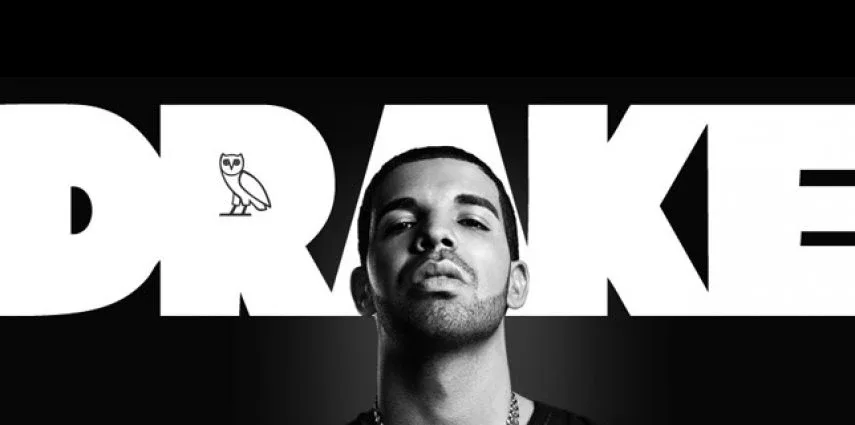
In the ever-evolving symphony of the music industry, few names resonate as profoundly as Drake. With chart-topping hits and an expansive fan base, the Canadian artist has not only left an indelible mark on the global music scene but has also amassed a considerable fortune through his music royalties. In this blog post, we delve into the intricacies of Drake's earnings, exploring the multifaceted world of music royalties that contribute to his financial crescendo.
Understanding Music Royalties
Before we embark on our exploration, it's essential to grasp the concept of music royalties. Musicians, like Drake, earn royalties from various sources, including streaming platforms, radio airplay, live performances, and licensing agreements. These royalties serve as a form of compensation for the use of their intellectual property.
- Streaming Platforms
In the digital age, streaming has become the predominant mode of music consumption. Drake's presence on platforms like Spotify, Apple Music, and others translates into significant streaming royalties. The payout per stream varies, but with Drake's colossal number of monthly streams, the cumulative earnings from streaming alone constitute a substantial portion of his royalty income.
- Radio Airplay
Radio airplay remains a traditional yet influential avenue for artists to reach audiences. Drake's songs dominating the airwaves contribute to performance royalties collected by performance rights organizations (PROs) like ASCAP, BMI, and SESAC. These organizations ensure that artists receive compensation when their music is played on radio stations.
- Live Performances
Drake's magnetic stage presence draws crowds worldwide, and live performances are a lucrative source of income. Beyond ticket sales, artists receive royalties when their music is performed live. This includes concerts, festivals, and even TV performances.
- Licensing and Sync Agreements
Drake's tracks are not confined to music streaming services and concerts alone. Through licensing and sync agreements, his music finds its way into movies, TV shows, commercials, and video games. These placements generate synchronization royalties, providing additional streams of income.
Navigating the Digital Landscape
The digital landscape has reshaped the music industry, presenting both challenges and opportunities. Drake's ability to navigate this terrain has been a key factor in his financial success. By strategically leveraging social media, digital marketing, and collaborations with brands, he has expanded his reach and influence, amplifying the impact of his royalty earnings.
Drake's journey through the world of music royalties is a testament to the diverse revenue streams available to contemporary artists. From the digital realms of streaming platforms to the timeless allure of live performances, his earnings reflect the adaptability required to thrive in today's music industry. As the symphony of Drake's career continues to unfold, so too does the narrative of how musicians can harmonize their artistry with financial success through the intricate melody of music royalties.
- Share:
-

-

How can I publish my music?
-
01
Register on SpaceMedia
Begin your music publishing journey by signing up and creating a free account on SpaceMedia.
-
02
Choose the plan that suits you best
Select from a variety of membership options to find the one that aligns perfectly with your music distribution needs.
-
03
Submit your music for distribution
Create a new release and upload your tracks to have them distributed across various platforms.
-
04
Quick Review
Our team promptly evaluates your uploaded tracks, ensuring they meet our quality standards before distribution.
-
05
Get Paid
Once your music is distributed and gains traction, we ensure timely compensation for your creative work.
SpaceMedia delivers music to a broad and changing network of streaming, download, social, and music-identification platforms. This can include major services such as Spotify, Apple Music, iTunes, YouTube Music, Amazon Music, Deezer, TikTok, Facebook and Instagram, SoundCloud, Tidal, Pandora, Boomplay, Anghami, iHeart, JioSaavn, KKBOX, NetEase Cloud Music, Tencent, Qobuz, and other supported partners.
The exact network can change as platforms update territories, rules, and delivery requirements. SpaceMedia gives you access to supported distribution channels, but no distributor can guarantee that every platform will accept every release in every country.
Most major streaming services do not let every artist upload music directly. A distributor like SpaceMedia delivers your audio, artwork, metadata, and rights information to supported platforms so your release can appear on services such as Spotify, Apple Music, YouTube Music, Amazon Music, Deezer, TikTok, and others.
Create an account, choose the plan that fits your needs, upload the final release files, review the details, and submit. SpaceMedia reviews Free submissions within 5 business days, Premium submissions within 2 business days, and Label submissions within 1 to 2 business days. Store publishing happens afterwards.
You can monetize eligible music on supported video platforms through Content ID when your plan includes it. Content ID is currently included with Premium and Label, and it is not included with the Free plan.
Only submit music you fully control for Content ID. Tracks with uncleared samples, non-exclusive beats, royalty-free loops used by many creators, public-domain recordings, or disputed rights may be rejected or may cause claims that need to be resolved.
Submit your release through SpaceMedia and choose distribution to social music platforms where available. Eligible releases can be delivered to platforms such as TikTok, Facebook, Instagram, and other supported social or short-form music services.
Once delivered, each platform decides how the music appears, how long processing takes, and which features are available in each territory. Use accurate metadata and clean audio to reduce avoidable delivery issues.
Independent music distribution lets artists release music to streaming, download, and social platforms without signing to a traditional record label. You stay in control of your music while using a distributor to deliver it to supported services.
With SpaceMedia, you can manage releases, artist details, earnings, and payout information from your account. All standard plans let users keep 100% of standard DSP royalties.
The Free plan lets artists release music without an upfront distribution fee and keep 100% of standard DSP royalties.
This gives new artists a way to start releasing music before paying for a yearly plan. Premium and Label add more primary-artist capacity and tools. All standard plans include 100% of standard DSP royalties.
Yes. In many cases you can transfer existing releases to SpaceMedia while keeping them live, as long as you submit the same metadata, audio, artwork, UPC, and ISRCs where available.
Keep the old release live until the SpaceMedia delivery is live and matched correctly. Removing the old version too early can interrupt availability or make stores treat the transfer as a new release instead of matching it to the existing one.
Publishing a new way
Write to us without obligation and find out more about the possibilities you have